24/7 Support
Our team is available around the clock to respond to any urgent transport situation.

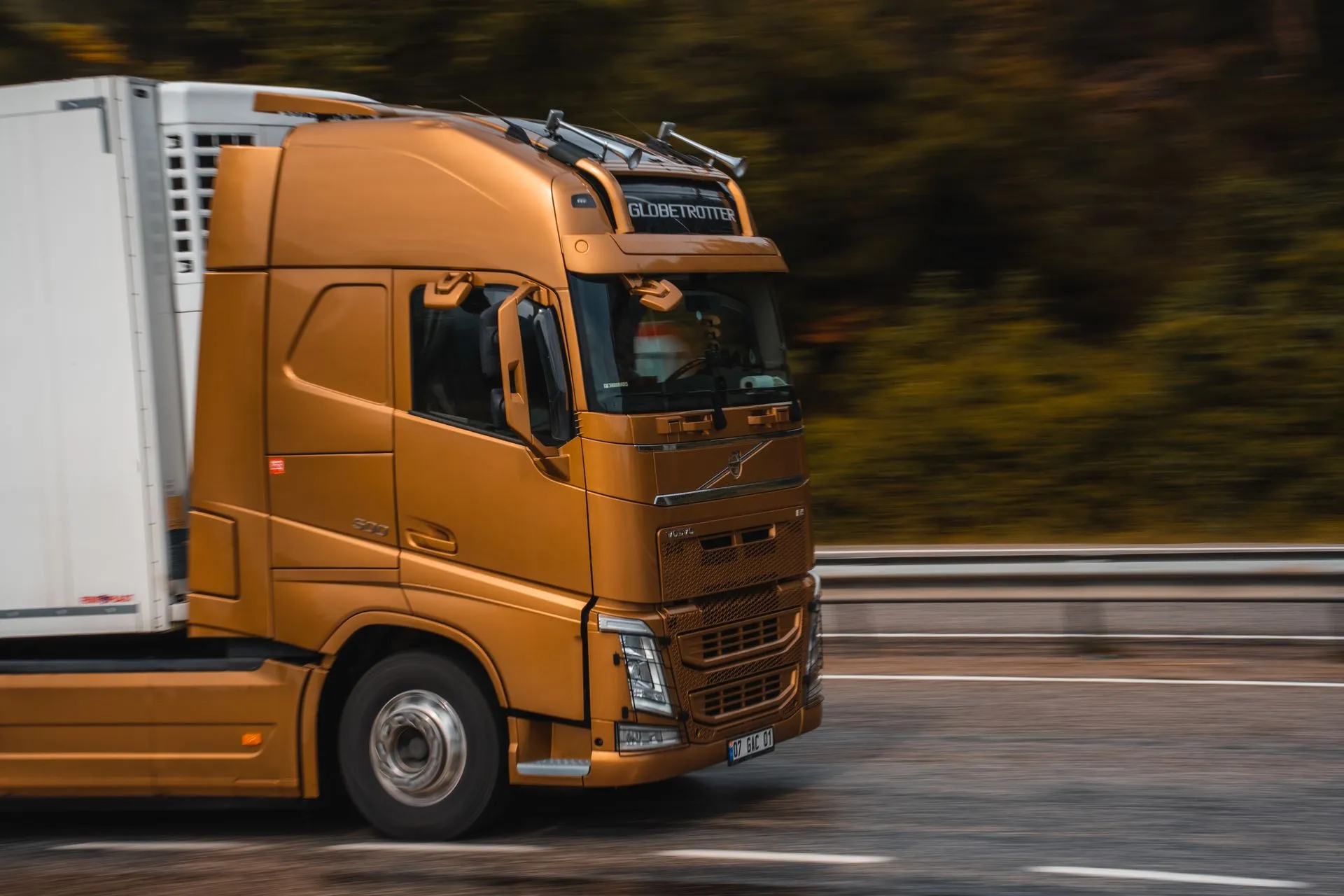
An unbroken cold chain from −25°C to +25°C, with the temperature set to the cargo's own specification and logged throughout
Temperature selector
Choose a cargo category to see the temperature regime we set.
Refrigerated transport · Europe
From vans for short distances and fast deliveries, up to heavy trucks for bulky loads or long routes. Every vehicle carries its own temperature control system.
The regime is configured to the cargo's specification and held steady regardless of the season, the length of the route or the number of stops.
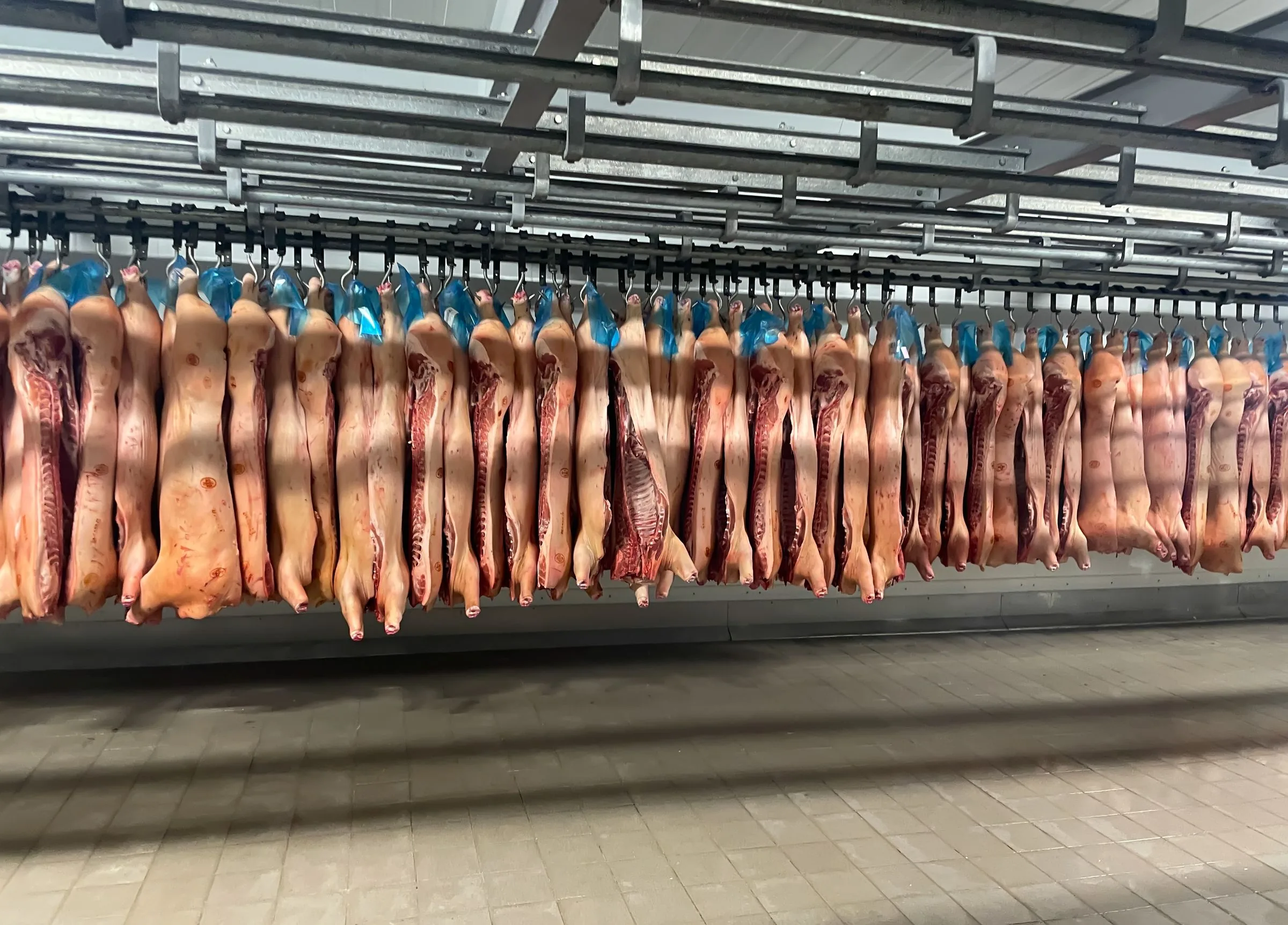
What we cover
The regime held, and proven with data, over any distance.
From vans for fast deliveries to heavy trucks. Every vehicle has its own temperature control system.
We monitor variation for the whole transit and hand you the record, as proof the regime was held.
Partitioned containers: products needing different temperatures travel in the same shipment, each at its own regime.
Every shipment travels under CMR cover; for high-value goods you can add insurance at declared value.
We help you pick the right temperature and the right vehicle, and tell you what the rules require for your cargo.
The same temperature regime, whether it is a few hours across a city or a few days across Europe.
How it works
Every stage has one job: keeping the temperature from ever leaving the agreed range.
We confirm the range the cargo needs and pick the vehicle type that suits the distance.
The vehicle reaches the setpoint before loading, so the goods never take a thermal shock.
Loading is quick, with the doors open as briefly as possible, and the temperature is checked at departure.
The regime is logged throughout. Any drift is visible and corrected on the spot.
At destination we hand over the goods together with the temperature record from the journey.
Vehicle options
Three different working regimes. The choice depends on how strict the range has to be and how long the journey takes.
Vehicles with thermally insulated walls and no refrigeration unit of their own, suited to short distances and goods that spoil slowly.
They hold the interior temperature steady for a limited period.
Vehicles with their own refrigeration unit, actively producing and holding the setpoint regardless of how long the route takes or how warm it is outside.
This is the option for long distances and for cargo that needs a strict range.
Specialised tankers for food liquids — milk, juices — with insulation and systems that hold a preset temperature.
They can be washed and sanitised easily, to meet food safety standards.
Temperature regimes
The regime follows the cargo's specification, not a default setting. We configure it before loading and hold it until unloading.
For orders mixing products with different requirements we use partitioned containers: two temperatures in one shipment, with neither compromised.
Common ranges
Frozen
Range−18°C … −25°C
fish, meat, vegetables, ready meals
Chilled
Range0°C … +6°C
vegetables, fruit, fresh meat, flowers
Pharmaceuticals, cold chain
Range+2°C … +8°C
temperature-sensitive medicines, vaccines
Pharmaceuticals, controlled ambient
Range+15°C … +25°C
medicines requiring steady room temperature
Flowers and plants
Range+2°C … +15°C
cut flowers, ornamental plants, planting stock
| Category | Range | Examples |
|---|---|---|
| Frozen | −18°C … −25°C | fish, meat, vegetables, ready meals |
| Chilled | 0°C … +6°C | vegetables, fruit, fresh meat, flowers |
| Pharmaceuticals, cold chain | +2°C … +8°C | temperature-sensitive medicines, vaccines |
| Pharmaceuticals, controlled ambient | +15°C … +25°C | medicines requiring steady room temperature |
| Flowers and plants | +2°C … +15°C | cut flowers, ornamental plants, planting stock |
Why us
We are more than a transport provider — we are your long-term logistics partner.
Our team is available around the clock to respond to any urgent transport situation.
We provide quotes and transport confirmations as quickly as possible, without bureaucracy.
All our shipments are fully insured, giving you peace of mind regardless of type or distance.
Transparent and competitive rates, without hidden costs or unpleasant surprises on the invoice.
From pickup to delivery, we manage all logistics for you with full responsibility.
FAQ
The equipment holds between −25°C and +25°C, within ±0.5°C. Common ranges: frozen −18°C … −25°C, chilled 0°C … +6°C, pharmaceuticals +2°C … +8°C or +15°C … +25°C, flowers and plants +2°C … +15°C. We configure the setpoint to your cargo's specification.
An insulated vehicle only has insulated walls: it preserves the temperature the goods already have, for a limited time. A refrigerated one has its own unit and actively produces cold, so it holds the regime however long the journey lasts. Long distances or strict ranges call for a refrigerated vehicle.
Yes. We use containers with a bulkhead partition, splitting the space into two zones with separate regimes. That way you can send, say, frozen and chilled goods in the same shipment, each at its own temperature.
The temperature is logged for the whole transit. On delivery you receive the record, so you have proof the regime was maintained — which matters most for food and pharmaceuticals.
The refrigeration unit burns fuel separately from the engine, the vehicle costs more to buy and maintain, and pre-cooling and sanitising between runs take time. The gap depends on the regime: the lower and stricter the range, the larger it gets.
Always. The vehicle reaches the setpoint before the goods arrive; otherwise the first hours on the road would be spent cooling the load, and the product would take a thermal shock.
Yes, both cold chain (+2°C … +8°C) and controlled ambient (+15°C … +25°C). Send us the manufacturer's specification and we configure the shipment to it.
The price appears instantly in the platform if you use the calculator: pick the route, the vehicle type and the temperature regime. For cases that need review, the team comes back with a tailored offer in under 2 hours.
Our team will get back to you in under 2 hours with a personalized quote — no bureaucracy.